Usually immunological diseases take place in the adaptive response but a few disease arise when the innate response is not functioning correctly. One of these examples is Crohn’s disease.
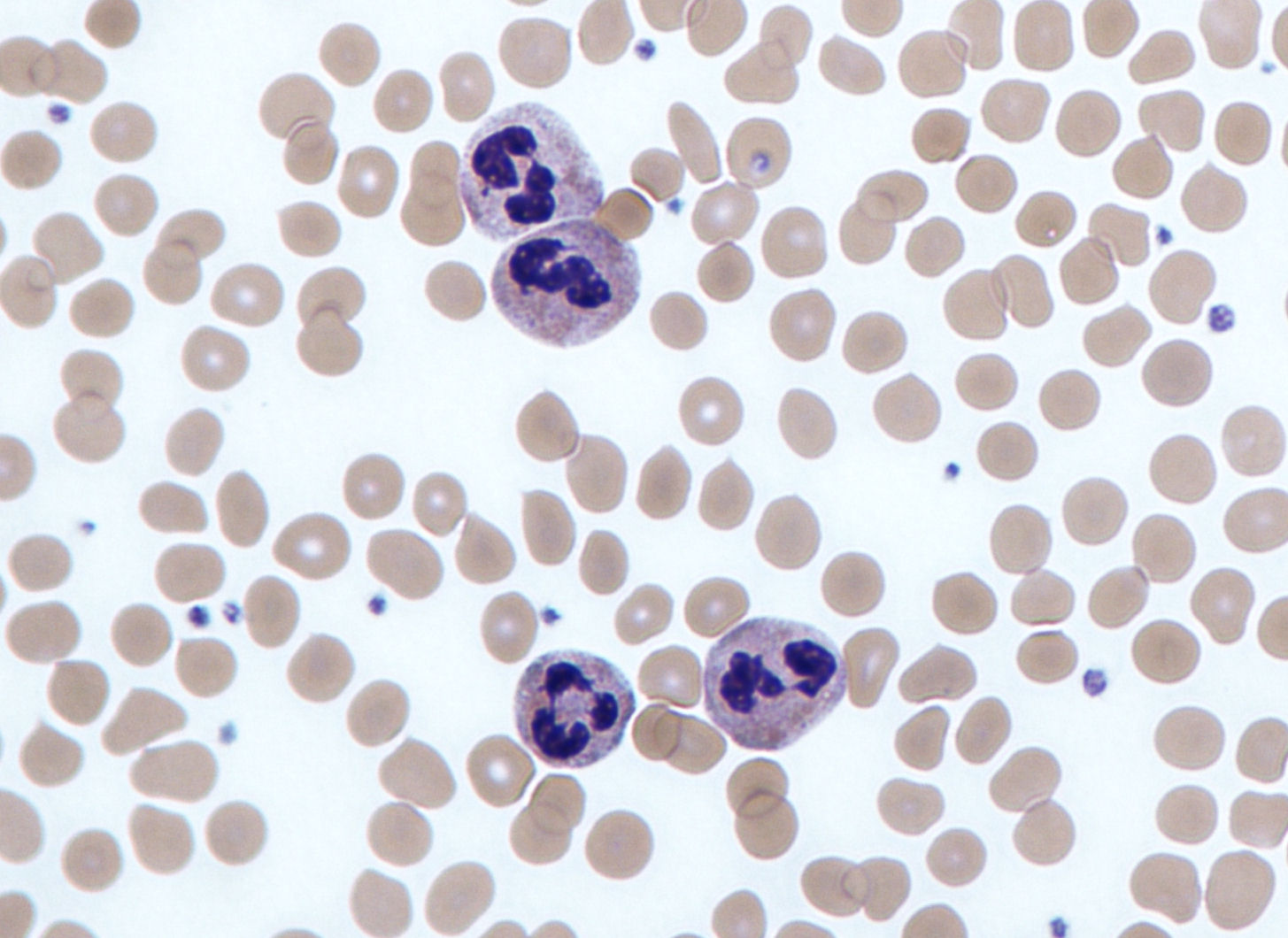
Crohn’s disease is an inflammatory bowel disease (IBD) in which the end of the ilieum and the beginning of the colon are affected. We have harmless bacteria that lives in our guts that aid us in digestion. In a person with Crohn’s disease the innate system confuses this harmless bacteria for harmful pathogens and therefore initiates a response. This response causes inflammation in the intestines, which is the main characteristic of Crohn’s disease. The amount of neutrophils that are called to the site of infection in a patient with Crohn’s disease is diminished, which is also associated with the lower production of interlukin-8 and interlukin-1β. When the intestines are attacked in this way some intestinal content is removed the mucosal barrier is breached which aids to the inflammation. These patients have a weak innate immune system